Ebola Patients Create 440-Gallons Of Medical Waste Per Day

SAN FRANCISCO (CBS SF) — Ebola patients treated in the United States create a staggering amount of medical waste, and some states aren’t sure how to deal with it.

Each Ebola patient generate an average of eight 55-gallon barrels of medical waste per day, the Los Angeles Times reported.

Pieces of protective gear from gloves and gowns to medical instruments, bed sheets, and even mattresses have to be disposed once they’ve been exposed to the pathogen.

The recommended method for destroying the waste from Ebola patients is incineration, but California’s last medical waste incinerator closed in 2001, and it is illegal in some other states.

California’s department of public health states that if onsite treatment of Ebola medical waste by steam sterilization is not available, facilities can package the waste and transport it to an out of state facility for incineration.  Alabama, Maryland, North Dakota, Oklahoma, Utah and Texas currently have operating incinerators.

by: http://sanfrancisco.cbslocal.com/2014/10/20/ebola-patients-create-440-gallons-of-medical-waste-per-day/

Programme on Small Scale Medical Waste Incinerators for Primary Health Care Clinics in South Africa

TABLE OF CONTENTS

  1. OBJECTIVE OF THE PROGRAMME 4
  2. STRUCTURE OF THE PROGRAMME 4
  3. COLLABORATORS INVOLVED IN THE PROGRAMME 4
  4. STAKEHOLDERS INVOLVED IN THE PROGRAMME 4
  5. LABORATORY TRIALS 5
  6. FIELD TRIALS 13


1.     OBJECTIVE OF THE PROGRAMME


The objective of the programme is to select technical criteria suitable for tender specification purposes that will enable the South African Department of Health to obtain the services and equipment necessary for the primary health care clinics to carry out small-scale incineration for the disposal of medical waste.


2.     STRUCTURE OF THE PROGRAMME


The test programme is being carried out in phases, as follows:

Phase 1         A scoping study to decide the responsibility of the different parties and

consensus on the test criteria and boundaries of the laboratory tests. The criteria for accepting an incinerator on trial was approved by all parties involved.

Phase 2         Laboratory tests with a ranking of each incinerator and the selection of the incinerators to be used in the field trials.

Phase 3         Completion of field trials, to assess the effectiveness of each incinerator under field conditions.

Phase 4         Preparation of a tender specification and recommendations to the DoH for the implementation of an ongoing incineration programme.


This document provides feedback on phases 2 and 3 of the work.


3.     COLLABORATORS INVOLVED IN THE PROGRAMME


SA Collaborative Centre for Cold Chain Management SA National Department of Health

CSIR

Pharmaceutical Society of SA World Health Organisation UNICEF


4.     STAKEHOLDERS INVOLVED IN THE PROGRAMME


The following stakeholders participated in the steering committee:


  • Dept of Health (National & provincial levels) (DoH)
  • Dept of Occupational Health & Safety (National & provincial levels)
  • Dept of Environmental Affairs & Tourism (National & provincial levels) (DEAT)
  • Dept of Water Affairs & Forestry (National & provincial levels) (DWAF)
  • Dept of Labour (National & provincial levels) (DoL)
  • National Waste Management Strategy Group
  • SA Local Government Association (SALGA)
  • SA National Civics Organisation (SANCO)
  • National Education, Health and Allied Workers Union (NEHAWU)


  • Democratic Nurses Organisation of SA (DENOSA)
  • Medecins Sans Frontieres
  • SA Association of Community Pharmacists
  • Mamelodi Community Health Committee
  • Pharmaceutical Society of SA
  • CSIR
  • UNICEF
  • WHO
  • SA Federation of Hospital Engineers


International visitors:

  • Dr Luiz Diaz – WHO Geneva and International Waste Management , USA
  • Mr Joost van den Noortgate – Medecins Sans Frontieres, Belgium


5.     LABORATORY TRIALS


5.1.   Objective of the laboratory trials


  • Rank the performance of submitted units to the following criteria:

y Occupational safety

y Impact on public health from emissions

y The destruction efficiency

y The usability for the available staff


  • The panel of experts for the ranking consisted of a:

y Professional nurse; Mrs Dorette Kotze from the SA National Department of Health

y Emission specialist; Dr Dave Rogers from the CSIR

y Combustion Engineer; Mr Brian North from the CSIR


5.2.   Incinerators received for evaluation


Name used in report Model no. Description Manufacturer
C&S Marketing

incinerator

SafeWaste Model Turbo

2000Vi

Electrically operated fan supplies combustion air

– no auxiliary fuel

C&S Marketing cc.
Molope Gas incinerator Medcin 400 Medical

Waste Incinerator

Gas-fired incinerator Molope Integrated

Waste Management

Molope Auto incinerator Molope Auto Medical

Waste Incinerator

Auto-combust incinerator – uses wood

or coal as additional fuel to facilitate incineration

Molope Integrated

Waste Management


Name used in report Model no. Description Manufacturer
PaHuOy

incinerator

Turbo Stove Auto-combust unit,

using no additional fuel or forced air supply

Pa-Hu Oy


5.3.   Emission testing: laboratory method


Sampling of emissions followed the US-EPA Method 5G dilution tunnel method for stove emissions. Adjustments to the design were made to account for flames extending up to 0.5 m above the tip of the incinerator and the drop out of large pieces of ash. Emissions were extracted into a duct for isokinetic sampling of particulate emissions. The sampling arrangement is shown by a schematic in Figure 1. A photograph of the operation over the Molope gas fired incinerator unit is shown in Figure 2.


All tests were performed according to specified operating procedures. The instructions provided by the supplier of the equipment were followed in the case of the C&S Marketing Unit. No operating procedures were supplied with the Molope Gas, Molope auto-combustion and PaHuOy units. These procedures were established by the CSIR personnel using their previous experience together with information provided by the supplier.


Test facilities were set up at the CSIR and measurements were carried out under an ISO9001 system using standard EPA test procedures or modifications made at the CSIR.


Figure 1. Schematic diagram of the laboratory set-up


Figure 2:Photograph of air intake sampling hood over Molope gas incinerator


5.4.   RANKING RESULTS OF THE LABORATORY TRIALS


Using the criteria listed under section 4.1 above, the incinerators were ranked as followed:


  Molope gas-fired

unit

Molope wood-fired

unit

C&S electric

unit

PaHuOy wood-fired

unit

Safety 6.8 4.8 5.5 3.3
Health 5.5 3.5 4.3 2.3
Destruction 9 2 6 1
Usability 2 3 3 5
Average 5.8 3.3 4.7 2.9


5.5.   EMISSION RESULTS OF THE LABORATORY TRIALS


Quantitative measurements were used to rank the units in terms of destruction efficiency and the potential to produce hazardous emissions.


Conformance to the South African Department of Environmental Affairs and Tourism’s (DEAT) recommended guidelines on emissions from Large Scale Medical Waste Incinerators is summarized in Table 1. The measurements are listed1 in Table 2.


Table 1: Summary qualitative results


Parameter Measured Units Molope


Gas-fired

Molope


Wood-fired

C&S


Electric

PaHuOy


Wood-fired

SA DEAT

Guidelines

Stack height m × × × × 3 m above

nearest building

Gas velocity m/s × × × × 10
Residence time s × × × × 2
Minimum combustion

temperature

ºC 4 × × × > 850
Gas combustion

efficiency

% × × × × 99.99
Particulate emissions mg/Nm3 4 × 4 × 180
Cl as HCl mg/Nm3 × 4 4 × < 30
F as HF mg/Nm3 4 4 4 4 < 30
Metals mg/Nm3 4 × × 4 < 0.5 and

< 0.05


1 Emission concentrations are reported in accordance with the South African reporting requirements, ie, normalized to Normal Temperature (0

oC) and Pressure (101.3 kPa) and corrected to a nominal concentration of

8 % of CO2 on a dry gas basis. If a measurement fell below the detection limit for the method is it either reported as the detection limit or as N.D., ie, not detectable.


Table 2: Detailed quantitative results


Parameter Measured *


Units


Molope gas


Molope auto


C&S


PaHuOy


SA Process Guide1


Comments


Stack height


m


1.8


1.8


1.9


0.3


3 m above nearest building


None of these unite has a stack. The height of the exhaust vent is taken as the stack height. If it is above the respiration zone of the operator it provides some protection from exposure to smoke.


Gas velocity


m/s


0.8


0.5


1.1


0.5


10


Gas velocities vary across the stack for the Molope gas, Molope auto-combustion, and the PaHuOy units.


Residence time


s


0.4


0.7


0.6


0.4


2


Residence time is taken to be the total combustion time, and the maximum achievable


Minimum combustion zone temperature

oC  

800 -900


400 – 650


600 – 800


500 – 700


> 850


Molope auto-combustion temperatures are expected to be higher as the centre of the combustion zone is not expected to be at the measurement location.


CO2 at the stack tip


% vol


2.64


3.75


4.9


3.25


8.0


Actual emission concentrations are less than the values reported here, which are normalized to 8 % CO2 and Normal temperature and pressure for reporting purposes. They are lower between 4 to 8 times.


Gas


%


99.91-


98.8 -98.4


99.69-


98.9


99.99


Most accurate measurement in

Combustion 99.70 99.03 the duct where mixing of exhaust
efficiency gases is complete. Results of two

trials.


Particulate emissions entrained in exhaust gas

mg/Nm3  

102


197


130


338


180


The total emissions are the sum of the both entrained and un- entrained particulates. Emissions are lower than expected for such units and this is attributed to the absence of raking which is the major source of particulate emissions from incinerators without an emission control

system.


Particulate fall- out

mg/Nm3  

42


105


n.d.


n.d.


Large pieces of paper and cardboard ash rained out of the emissions. Totalling 0.8 to 2 g over a +/- 2 minute period.


Soot in particulates


%


42.2


58.1


48.7


84.8


Correlates directly with gas combustion efficiency


1 Emission concentrations are reported in accordance with the South African reporting requirements, ie, Normalized to Normal Temperature (0

oC) and Pressure (101.3 kPa) and corrected to a nominal concentration of

8 % of CO2 on a dry gas basis. If a measurement fell below the detection limit for the method is it either reported as the detection limit or as N.D., ie, not detectable.


Parameter Measured *


Units


Molope gas


Molope auto


C&S


PaHuOy


SA Process Guide1


Comments


% ash residual from medical waste


%


14.8


12.9


15.6


21.7


Measurement of destruction efficiency of the incinerator. Typical commercial units operate at 85-90 % mass reduction. PaHuOy is lower due to the melting and unburnt plastic.


Cl as HCl

mg/Nm3  

46


13


25


35 & 542


< 30


PaHuOy chloride concentrations varied considerably. This is expected due to the variability of the feed composition.


F as HF

mg/Nm3  

< 6


< 1


<2


< 1


< 30


Fluoride not found in this waste.


Arsenic (As)

mg/Nm3  

< 0.2


< 0.2


< 0.2


< 0.2


0.5


Arsenic is not expected as a solid.


Lead (Pb)

mg/Nm3  

< 0.4


< 0.4


< 0.4


< 0.4


0.5


Lead not expected in waste


Cadmium (Cd)

mg/Nm3  

< 0.2


< 0.2


< 0.2


< 0.2


0.05


Sensitivity of the x-ray method is adequate for ranking. Higher sensitivity not sought for this trial.


Chromium (Cr)

mg/Nm3  

< 0.1


0.7


0.7


< 0.1.


0.5


Chromium relative to iron ranges between 12 and 25% which is consistent with stainless steel needles


Manganese (Mn)

mg/Nm3  

< 0.1


0.3


0.3


< 0.1


0.5


Manganese may be a component in the stainless steel needle.


Nickel (Ni)

mg/Nm3  

< 0.1


0.3


< 0.1


< 0.1


0.5


Nickel may be a component in the needle.


Antimony (Sb)

mg/Nm3  

< 0.2


< 0.2


< 0.2


< 0.2


0.5


Not expected in this waste.


Barium (Ba)

mg/Nm3  

< 0.5


< 0.5


< 0.5


< 0.5


0.5


Lower sensitivity due to presence in the filter material


Silver (Ag)

mg/Nm3  

< 0.2


< 0.2


< 0.2


< 0.2


0.5


Not expected in this waste.


Cobalt (Co)

mg/Nm3  

< 0.1


< 0.1


< 0.1


< 0.1


0.5


Cobalt might be present in stainless steel.


Copper (Cu)

mg/Nm3  

< 0.5


< 0.5


< 0.5


< 0.5


0.5


Lower sensitivity due to copper in the sample blanks. May be background in the analytical equipment.


Tin (Sn)

mg/Nm3  

< 0.2


< 0.2


< 0.2


< 0.2


0.5


Tin not expected in this waste.


Vanadium (V)

mg/Nm3  

< 0.1


< 0.1


0.4


< 0.1


0.5


Vanadium might be present in stainless steel.


Thallium (Tl)

mg/Nm3  

< 0.4


< 0.4


< 0.4


< 0.4


0.05


Not expected in this waste. Sensitivity of the x-ray method is adequate for ranking. Higher sensitivity not sought for this trial.


5.6.   MAIN FINDINGS OF THE LABORATORY TRIALS


The main conclusions drawn from the trials are as follows:


:::          All four units can be used to render medical waste non-infectious, and to destroy syringes or render needles unsuitable for reuse.

:::                           The largest potential health hazard arises from the emissions of smoke and soot.              (the combustion efficiency of all units lies outside the

regulatory standards). The risk to health can be reduced by training operators to avoid the smoke or by installation of a chimney at the site.

:::          The emissions from small scale incinerators are expected to be lower than those from a wood fire, but higher than a conventional fire-brick-

lined multi-chambered incinerator.

:::          Incomplete combustion, and the substantial formation of smoke at low height rendered the PaHuOy unit unacceptable for field trials. Figure 3

below shows this unit during a trial burn. Molten plastic flowed out of

the incinerator, blocked the primary combustion air feed vents, and burnt outside of the unit.


Figure 3: Photo of PaHuOy incinerator during trial burn


5.7.   COMPARISON OF THE FIELDS TRIALS WITH THE LABORATORY TRIALS


The CSIR performed a quantitative trial in the field for gas combustion efficiency, temperature profiles and mass destruction rate on the Molope Auto wood-fired unit at the Mogale Clinic.


The results of this trial are compared to the laboratory trial results below:


  • Waste loading: Disposable rubber gloves were observed in addition to needles syringes, glass vials, bandages, dressings, and paper w
  • Temperatures and combustion efficiency: The same performance in gas combustion        efficiency   was    obtained    for    wood    .

Temperatures were higher but for a shorter time and this was

correlated with the type of wood available to the clinic. The fuel was burnt out before the medical waste was destroyed completely and this resulted in lower temperatures, lower combustion efficiency and higher emissions while burning the waste.

  • Emissions: Large amounts of black smoke were observed and this was correlated directly to cooling of the unit as the wood fuel was exhausted

prior to full ignition of the waste.

  • Destruction efficiency: The destruction efficiency was similar to that in the laboratory measurem
  • Usability: The unit is difficult to control as the result of the variability of the quality of wood
  • Acceptability: the smoke was not acceptable to the clinic, the community, or the local


It was concluded that:

  • The performance with fuel alone indicates that laboratory trial data can be used to predict emissions in the
  • The Molope Auto unit is too difficult to control for the available staff and fuel at the


5.8.   RECOMMENDATIONS FROM THE LABORATORY TRIALS


The following recommendations are made as the result of the laboratory trials:

:::     A comprehensive operating manual must be supplied with each unit.

Adequate training in the operation of the units must be provided, especially focussed on safety issues.

:::     It is recommended that the height of the exhaust vent on all units be

addressed.     In order to facilitate the dispersion of emissions and reduce the exposure risk of the operators.

:::     The suppliers of the incinerators must provide instructions for the safe handling and disposal of ash.


5.9.   RECOMMENDATIONS FROM THE STEERING COMMITTEE


After completion of the laboratory trials, the project steering committee recommended that the Molope Gas and C&S Marketing units be submitted for field testing. The Molope Auto was recommended for field testing on the condition that the manufacturer modified the ash grate so as to prevent the spillage of partially burnt needles and syringes.


6.     FIELD TRIALS


6.1.   OBJECTIVE OF THE FIELD TRIALS


The objective of the field trials was to obtain information in the field and assess the strengths and weaknesses of each of the incinerators during use at primary health care clinics.


A participative decision making process was used for the trials. It was based on expert technical evaluation by the CSIR and the National Department of Health as well as participation in the trials by experienced end users and participating advisors. All decisions were made by the Steering Committee, which consisted of representatives of stakeholders in the clinical and medical waste disposal process. These included representatives from the National, Provincial, and Local Government departments of Health, Safety and the Environment, as well as Professional Associations, Unions, NGOs, UNICEF, the WHO and local community representatives.


6.2.   CLINIC SELECTION


The Provinces in which the trials were done selected clinics for the field trials. The criteria set by the Steering Committee for the selection of the clinics were the following:


  • Location must be rural or under-serviced with

y No medical waste removal

y No existing incineration

y No transport

  • It must be in a high-density population area
  • Acceptable environmental conditions must prevail
  • Community acceptance must be obtained
  • Operator skill level to be used must be at a level of illiteracy


The clinics that were selected were as follows:


  • Steinkopf Clinic – Northern Cape Province – Gas incinerator


  • Marydale Clinic – Northern Cape Province – Gas incinerator
  • Mogale Clinic – Gauteng Province             – Auto combustion

incinerator, wood-fired.

  • Chwezi Clinic – KwaZulu-Natal Province – Gas incinerator
  • Ethembeni Clinic- KwaZulu-Natal Province – Auto-combustion electrical

incinerator


MAP OF SOUTH AFRICA INDICATING WHERE THE CLINICS ARE SITUATED


NORTHERN PROVINCE


GAUTENG PROVINCE


NORTH WEST PROVINCE

MPUMALANGA PROVINCE


FREE STATE PROVINCE


NORTHERN CAPE PROVINCE


KWAZULU-NATAL PROVINCE


I:\UnitPublic\Valerie\Technet 99\Working papers\Session 3\rogers.doc


EASTERN CAPE PROVINCE


WESTERN CAPE PROVINCE


6.3.   COORDINATION OF THE TRIALS


The criteria for the ranking of the incinerators in accordance with performance in the field were:


  • Safety (occupational and public health)
  • Destruction capability
  • Usability
  • Community acceptability


The South African National Department of Health coordinated the field trials.


Information regarding the field trials as well as questionnaires were supplied to the coordinators in the participating provinces.


The team in the field consisted of the operator, supervisor and inspector (coordinator). The manufacturer of the incinerators did the training of the operators.


The questionnaires used during the trials were set so as to obtain information with regard to the criteria set for the ranking of the incinerators in accordance with performance in the field. The questionnaires were received from the clinics at two-weekly intervals.


Questions with regard to the criteria were the following:


A.  SAFETY (occupational and public health)


  • Smoke Emission

y Volume and thickness

y Colour

y Odour

  • Ash Content
  • Are the filled sharps boxes and soiled dressings stored in a locked location while waiting to be incinerated?


B.  DESTRUCTION CAPABILITY


  • Destruction Rate

y Complete

y Partial

y Minimal

y Residue content


C.  USABILITY (for the available staff)

  • Can the incinerator be used easily?


  • Is the process of incineration safe?
  • Has training been successful?
  • Is protective clothing such as gloves, goggles, dust masks and safety boots available?


D.  COMMUNITY ACCEPTABILITY


  • What is the opinion of the following persons on the use of the incinerator?

y Operator

y Nurse

y Head of the clinic

y Local Authority representative

y Community leader


During the trials the clinics were visited and the incinerators evaluated by members of the Steering Committee and the CSIR as well as Dr L Diaz from WHO, Mr M Lainejoki from UNICEF and the coordinator from the National Department of Health.


6.4.   QUESTIONNAIRE RESULTS


6.4.1.      MOGALE CLINIC


Type of incinerator at the clinic: Molope Auto-Combustion (Fired with wood)


Figure 4 & 5: Molope Auto wood-fired incinerator during field trials at Mogale clinic


A.               SAFETY (occupational and public health)


  1. The process of incineration with this unit was considered by the operator, supervisor and the inspector as unsafe because there is no protective cage around the During the process the incinerator becomes very hot and this could result in injury to the operator.


  1. The smoke emission of this incinerator had a volume and thickness which was heavy and black, with a distinct unpleasant odour, and was considered This could cause a pollution problem.


B.               DESTRUCTION CAPABILITY


  1. The needles and vials were not completely destroyed but were rendered unsuitable for re-use.


  1. The soft medical waste was completely destroy


C.               USABILITY


Difficulty in controlling the operating temperature and avoiding smoke emissions made this incinerator user unfriendly.


D.               COMMUNITY ACCEPTABILITY


As a result of the heavy, black smoke emission the unit was not acceptable to the community.


6.4.2.      ETHEMBENI CLINIC:


Figure 6: C&S Marketing Auto Combust Electrical Incinerator At Ethembeni Clinic


Type Of Incinerator: C&S Auto-Combustion (Uses an electrically actuated fan)


A.               SAFETY (occupational and public health)


  1. The operator, supervisor and inspector considered this incinerator easy to operate with no danger to the Removal of the ash from the drum for disposal in a pit is, however, considered difficult, as the drum is heavy. Removal of the incinerator lid before it has been allowed to cool has been identified as a potential danger to the operator.


  1. Emission of smoke from this incinerator was not considered ex The volume and thickness was evaluated as moderate with no pollution experienced.


B.               DESTRUCTION CAPABILITY


  1. The needles and vials were not completely destroyed but were rendered unsuitable for re-use.
  2. The soft medical waste was completely destroy


C.               USABILITY


Considered user friendly by operator, supervisor and inspector.


D.               COMMUNITY ACCEPTABILITY


The incinerator was accepted by the community and was not considered to be harmful.


6.4.3.      CHWEZI CLINIC, MARYDALE CLINIC AND STEINKOPF CLINIC:


Type of incinerator: Molope Gas incinerator


Figure 7:       Molope Gas incinerator during field trials at Marydale clinic


A.               SAFETY (occupational and public health)


  1. The operator, supervisor and inspector considered this incinerator easy to operate with minimal danger to the
  2. Smoke emissions were not excessive and were reported to be minim


B.               DESTRUCTION CAPABILITY


  1. Sharps not completely destroyed but were rendered unsuitable for re-use.


  1. Soft medical waste completely destroy


C.               USABILITY


This incinerator was considered user friendly.


D.               COMMUNITY ACCEPTABILITY


The incinerator was accepted by the community and was not considered to be harmful.


6.5.   RANKING


INCINERATOR RANKING
Molope Gas 1
C&S Auto-Combustion (Uses electrical fan)  

2

Molope Auto- Combustion (Fired with

wood, coal also an option)


3


6.6.   OUTCOME OF THE FIELD TRIALS


Incinerator Safety Destruction Capability Usability Community Acceptability
Molope Gas Good Good Good Good
C&S Auto- Combustion

(Uses Electricity)


Good


Good


Good


Good

Molope Auto-

Combust Incinerator

Un-Acceptable Good Un-Acceptable Un-Acceptable


Dangerous waste

The stench coming from the room is nauseating. Its not the typical smell of rotting cabbage leaves or chicken intestines.

It’s human waste and decaying body parts.

Tonota clinic is facing a serious health hazard. For seven months the incinerator has not been working and piles of red waste disposal bags are bursting from the room housing the defunct engine.“Do you know what’s in these bags?” asked a clinic employee who is so fearful for his health that he has risked being identified and sacked in order to expose the appalling conditions at the clinic.

“It’s human placentas and dirty pampers from patients suffering from chronic diseases. It’s disgusting,” he says, furrowing his eyebrows to emphasis the point.

“There are worms as big as my index finger and the stench is unbearable, but no action is being taken,” he adds.

The employee (name withheld) confirms the incinerator has not been operational for the past seven months.

He maintains that authorities both at District Health Management Team (DHMT) and Ministry level were informed, but no action has yet been taken.

According to the concerned employee, the trouble started when responsibility for the clinic was transferred from the Ministry of Local Government and placed under the Ministry of Health.
The malfunctioning incinerator has also affected clinics in villages surrounding Tonota who use the facility. “I was in Mmandunyane recently. The situation is also bad there since they have nowhere to dispose their clinical waste,” said the source.

Clinics in Mandunyane, Semotswane and Shashe rely on Tonota for disposal of their waste.

Adding to the woes of employees it is said that they last received uniform and protective clothing in 2011.

“There is also acute shortage of accommodation. Staff flats that were gutted by fire in 2011 are yet to be fixed,” the worker revealed.

He claimed that there are nurses who were transferred to Nyangabwe Referral Hospital, who were paid their transfer and hotel allowances but are still occupying staff houses in Tonota.

“All this is happening because there is lack of leadership. I believe only the President can help employees, but when he was in the area last weekend for a rally he neglected to come here.”

The source took The Voice on a tour of the clinic and showed us the dilapidated staff flats, damaged emergency fire pumps and tattered sheets in the maternity ward.

“What kind of a health facility, home to bed ridden patients, operates without an emergency fire pump?”
Efforts to get a comment from the clinic Matron Thatayaone Moitebatsi did not bear fruit as she referred all questions to a certain Dr Ayele at DHMT.

When contacted for comment Dr Ayele asked for a face-to-face interview but later called to cancel the appointment.

“We are aware off the situation in Tonota, but you know I don’t have the authority to talk to the media.

Please send a questionnaire and I will forward it to the relevant people,” was all Dr Ayele was prepared to say.

Hai Phong trials waste incinerator

HAI PHONG (VNS)— A medical waste incinerator in Hai Phong built by the Ministry of Natural Resources and Environment (MONRE) and the Japan International Co-operation Agency in Viet Nam (JICA) completed its trial phase on Thursday.
Constructed in January, the US$600,000 incinerator has been operational since March with initial test results collected by the Hai Phong Urban Environment One Member Limited Company (URENCO) indicating that the incinerator satisfied most of the requirements set out in the 2012 Viet Nam Environmental Standards by MONRE.

“The incinerator is going to be of great assistance to the city’s effort to manage and process medical waste,” said Le Ngoc Tru, director of URENCO.

The Hai Phong Department of Health estimated the city’s hospitals created around 7,500 kg of medical waste per day, of which 800kg was solid toxic waste.

The city’s old incinerator built in 2002 is now outdated and not designed to process such a large amount of medical waste.

Tru said the incinerator built with the latest Japanese technology offered more than three times the capacity at 200kg per hour for 50 per cent less fuel consumption compared to the old incinerator.

It is also safer for workers to operate due to its automatic waste handling system that allows workers to process waste from a safe distance.

However, test results from water used for the incinerator did not meet Vietnamese standards and needed to be collected and processed separately in the nearby Trang Cat industrial waste treatment compound.

Air and water from neighbouring areas were also tested and came back with satisfactory results.

Kimura Mitsumasa, director of the Industrial Waste Association from Fukushima, said medical waste had to be labelled and transported using specific vehicles and trained workers.

Phung Chi Sy from VITTEP, a HCM City-based environment institute, said workers should be trained and able to categorise medical waste to maximise the incinerator’s efficiency by creating optimal mixtures of waste for the burning process.

Masuda Chikahio, senior representative of JICA Viet Nam, said the project, funded with Japanese Official Development Assistance, was part of a larger programme to encourage small-to-medium-size Japanese companies to transfer technology to Viet Nam.

At a seminar to evaluate the project’s trial phase on Thursday, representatives from other provinces’ health and environment sectors showed interest in the application of the incinerator. — VNS

by: http://vietnamnews.vn/environment/261890/hai-phong-trials-waste-incinerator.html

Waste Burning and Incineration Combustion Process

The combustion, or burning, of solid waste proceeds through a series of stages. Water is first driven from the unburned waste by heat produced from material burning nearby or from an auxiliary burner. As the waste heats up, carbon and other substances are released and converted into burnable gases. This is referred to as gasification. These gases are then able to mix with oxygen. If the temperature inside the burn chamber is high enough and maintained for a long enough period of time, the hot gases are completely converted into water vapour and carbon dioxide, which is then released into the air. If the temperature inside the burn chamber is not high enough and the burn time is too short, complete conversion of the burnable gases does not occur and visible smoke is released into the air.  Another result of burning at low temperatures is the creation of pollutants that were not originally present in the waste. This process is known as de novo synthesis. Dioxins, furans and other complex chemical pollutants can be formed through this process.

Ash produced from combustion takes the form of either fly ash or bottom ash.  Fly ash is the fine particles carried away in the form of smoke while bottom ash is the course non-combustible and unburned material that remains after the burn is complete. The type and amount of pollutants in the fly and bottom ash depend upon what waste is burned and completeness of the combustion process.

The completeness of combustion is determined by all of the following factors:

Temperature

The temperature generated is a function of the heating value of the waste and auxiliary fuel, incinerator or burn unit design, air supply and combustion control.  Complete combustion requires high temperatures. Generally, temperatures that exceed 650oC with a holding time of 1-2 seconds will cause complete combustion of most food and other common household waste.  Segregation of waste is required when using methods that don’t routinely achieve these temperatures. Dual chamber incinerators, which are designed to burn complex mixtures of waste, hazardous waste and biomedical waste, must provide a temperature higher than 1000oC and a holding time of at least one second to ensure complete combustion and minimize dioxin and furan emissions.  When these high temperatures and holding times are achieved, waste will be completely burned and ash, smoke and pollutant concentrations will be minimized.

Because exhaust gas temperatures vary from ambient to greater than 1000°C each time a batch waste incinerator is used, optional air pollution control systems with evaporative cooling towers and scrubbers are seldom recommended. However, it may be necessary to employ these systems with large continuous feed incinerators if additional cleaning of exhaust gas is required by regulatory authorities.

Holding Time

Complete combustion takes time.  Holding time, otherwise known as retention or residence time, is the length of time available to ensure the complete mixing of air and fuel, and thus the complete burning of waste. Low temperatures, low heating values of the waste and reduced turbulence require that the holding time be increased to complete the combustion process.

Turbulence

The turbulent mixing of burnable gases with sufficient oxygen is needed to promote good contact between the burning waste and incoming air. This will help in achieving the high temperatures at which waste can be completely burned. The amount of mixing is influenced by the shape and size of the burn chamber and how the air is injected. Passive under-fire ventilation achieved during open burning does not result in sufficient turbulence for the burning of a wide variety of waste.  Also, it is important not to overfill the burn chamber as airflow may be blocked and the amount of turbulence further reduced.  The more advanced incineration designs provide effective turbulence through the forced introduction of air directly into hot zones.

Composition of the Waste

The heating value, wetness and chemical properties of the waste affect the combustion process and the pollutants that are contained in the resulting smoke and ash. The higher the burn temperature, holding time and turbulence that are achieved, the less effect the composition of the waste has on completeness of the burn.

The other day in the waste incineration plant

Recently a dream came true for me. I had the opportunity to participate in a guided tour through the waste incineration plant in Cologne. That may seem strange. Sometimes I catch myself when I get stuck on documentary programs about recycling methods in the (rare) zapping through the TV channels. Obviously this topic fascinates me.

The BVMW (Federal Association of Medium-Sized Enterprises) invited to a lecture on the topic of generation Y. Host and the venue was the waste recycling company in Cologne, AVG, which offered additionally a guided tour through their waste incinerator. Since I am also very interested in the topic Generation Y, I could kill two birds with one stone.
In a small group, we were led by the spokesman of the AVG through the various sections of the waste incineration plant and the procedures were explained in detail. Initially skeptical, because in previous years there was so much negative about this facility (excessive construction costs, lack of capacity), the mood among the participants changed gradually into fascination.

To clarify: It’s just about waste. Not about recycle materials such as paper, plastics, recycled glass or compostable organic waste.

Precision and cleanliness

What I noticed during the tour: In the plant, each step is carefully considered, it is worked with great precision. And even if that sounds paradoxical: it is squeaky clean! Only in the hall where different wastes are mixed on conveyor belts, there is the typical smell of rubbish, but also not as bad as originally expected.

Amazing for me: I did not know that by using residual waste a really large amount of power is generated. And reassuring for me: resources are won even from the last drop: metal, material for road construction, plaster in good quality. The proportion of what is factually left and actually not recycled, seems negligible to low.

From waste to electricity – the process in detail

The residual waste incinerator in Cologne was put into operation in 1998 and is one of the most modern and best facilities in the world. It processes what has landed in the residual waste after the separate collection of private households, as well as the remains of sorting from mixed building and industrial waste.

Much of the waste is shipped by rail. The railway containers are loaded in two waste transfer stations in the city of Cologne and together have a capacity of approximately 250,000 tons per year. The remaining waste is brought by truck.
A special feature of the Cologne residual waste incinerator is the integrated treatment of the waste in a treatment room. Residues from sorting and residues from the domestic and bulky waste are first distributed to the daily waste bunker on separate chambers. The bulky waste is pre-sorted and crushed. Only the non-recoverable components are processed in the incinerator.

The household waste is sorted in a perforated drum to size and then passes on large conveyor belts so-called magnetic seperators. They remove ferrous scrap. A second ferrous metal deposition as well as an automatic non-ferrous deposition take place after combustion.

Even commercial waste residuals are delivered to the Cologne plant. They have been processed previously in external sorting, so they can be added directly to the domestic and bulky waste. The various waste streams are mixed thoroughly, because this homogenization ensures a high quality, a uniform as possible burnout and a good quality ash.
From the huge hall of the conveyor belts the waste enters the so-called residual waste bunker. Here it is stored a while until enough moisture has dissipated, so that it can burn well. By means of permanent temperature and humidity indicators it is controlled, in what condition the waste is. With large gripping cranes the waste is rearranged and finally placed in the kiln. The garbage gripper fill four huge funnels. The waste comes from here in four independently powered boilers that operate around the clock. The waste moves on roller grates through the boiler. And there it burns. At an unimaginable heat of 1,000 to 1,500 degrees Celsius. The respective “new” waste ignites from the already burning garbage. So no additional external energy is required for the combustion process. The combustion takes place after the DC principle: The burning of waste and the waste gases move in the same direction through the “hot flame” at the end of the grate. This procedure ensures that the destruction of pollutants such as dioxins and furans are already done in the combustion chamber.

From waste is made power for 250,000 people

And here is the highlight. The heat produced during combustion is used. On the one hand, to heat the nearby Ford plant. But this is just a nice side effect. The majority of the heat is converted into electricity by generators. And even that much that the power consumption of 250,000 people can be met. The waste incineration plant Cologne is thus basically a power plant and supplies a quarter of the city of Cologne with electricity. That sounds awesome. And since you could get the idea that it is not so bad when so much garbage is produced – as it is used so well …

After combustion bottom ash, hot exhaust gas and residues remain. These substances are largely used again useful: The ash is cooled with water and stored in an ash bunker before it is processed in a bottom ash treatment plant and then utilized in road, landfill and landscaping.
The hot exhaust gas is used for power generation. It heats preheated water to steam, which meets at a temperature of 400 degrees Celsius and a pressure of 40 bar to a turbine. This drives the downstream generator with which is produced electric power. For own use only a small part of the energy is needed. The greater part is given in external power supply networks. The amount of energy generated in the incinerator is enough to power more than 100,000 households.

In the combustion and the subsequent exhaust gas purification residual substances such as dust and salts remain as well as ashes from the boiler. These materials are collected and used as backfill material for the backfilling of salt mine tunnels. Gypsum is also a waste material, which is obtained as a reaction product in the exhaust gas purification and has building material quality.

Emission control: the exhaust gases are almost completely neutralized by the method used at the Cologne incinerator. There is no waste water, as well as the legal requirements are clearly undercut. As a neutral auditor, the county government gets the actual exhaust gas readings permanently by direct line.

Rethinking at waste management companies

After the guided tour, I had the opportunity to talk to the press officer of AVG. In this conversation it became clear how much the thinking has changed in the field of waste management in recent decades and years. While during the 1960s to the 1990s garbage was piled up completely unsorted in landfills and then forgotten, in the new millennium they have recognized the value of the waste. Climate change and CO2 emissions have long pushed as important issues in focus for the residual waste processing. The heat generated during combustion is converted into electricity. Resources are regained, as far as is technically possible. Especially metal, plastics and wood. The recovered plastic from residual waste is used for example as fuel for cement plants.

Waste incineration plant are nowadays equatable to power plants, even if the fuel value is not quite equivalent to the conventional fuels such as coal, oil and gas. As more and more municipalities have come to generate their own electricity by means of residual waste incineration, the major electricity providers get in significant difficulties.

At the end of the tour I was really impressed. That what is put in the residual waste in private households plus the commercial waste is, after all, still god to supply 100,000 households with electricity in Cologne.

And at the same time it’s scary, what incredible tonnes of waste we produce. Yellow and blue ton even come on top of that.

Consumer society provides garbage

Waste incineration plants generating electricity for us and making us less dependent on fossil fuels, are the logical consequence of our consumer society. But incinerators are not built primarily to generate electricity. But to become master of the mountains of waste that we produce continuously as a consumer society. Fortunately, with modern incinerators, a way has been found to make up the stinking problem a clean thing. But the cause, our consumption, is the real problem.

For the operators of the incineration plant, it is essential that enough waste is delivered. Garbage is their product. The more they can get, the better for the system’s capacity. For then it will work cost-effectively, which in turn has a positive impact on the urban garbage fees. Not all incinerators in Germany are so well utilized as in Cologne. Since waste is added from adjacent areas.

But the consumer society provides these masses of garbage. Goods are produced in large quantities, purchased, used or consumed and eventually discarded. The 2aste incineration plant gets food – in 2013 there were 707,000 tons in Cologne. And provides us even with power (282 million kWh in 2013 in Cologne). Actually a perfect cycle, so one might think. If not for this “but” would be. Because our conventional consumption goes at the expense of other countries, to the detriment of the environment, fair working conditions; Resources are wasted, the transport around the globe has impact on the climate, production facilities in the Far East poison the local environment and so on.

Well, I live in Cologne, a big city, where certainly only a small proportion of residents think about trash, disposal or even waste reduction and also practice this. That may be a negative point of view, but I think it is realistic. The average normal citizen does not necessarily ask the question what is actually happening to what he throws away in the course of a year. All the more it is interesting to follow the different paths. My next wish is to visit a recycling plant for plastics.

Waste incineration and waste seperation versus waste prevention

Waste separation was yesterday. The latest approach is waste prevention. In its most distinct version it is called Zero Waste. No waste. So far there are only a few pioneers, whose reports and videos I read and watch with interest. And at the same time I wonder how to implement this in a normal big-city life. It starts with the fact that – even if you use a togo box, which is compostable, then you do not know where to dispose of it along the way. So take it home and put it in the compost bin? Would everybody do that?

I think it’s great if it is possible, to be master of the situation (immense amounts of waste) through a well organized disposal system and beyond even to convert this residual waste to a large extent into energy, ie electricity and heating. There is at least a huge improvement as against the stinking landfill from earlier, in which everything was thrown into a pile and then covered with the cloak of silence. The next step must be, to reduce the amount of waste in total. And this will not be possible just by the civil society. Here politics and economy are asked to create the right framework and to set the practical implementation in motion.

by: http://blog.upcycling-markt.de/en/blog/muellverbrennungsanlange-waste-incineration-plant.html

incinerators spacification

Specifications of ovens:

  • Installing a readymade concrete base (Precast) with Height 30 cm above the ground and 20 cm below the surface of the earth.
  • The dimensions of the base are increased by (2 meters) from the edge of incinerators
  • The rest of the accessories in all the trends even allows the worker directly feeding and maintenance work, cleaning and move easily taking into account the tendencies of the base toward the door for drainage of water.
  • The floor coating must be high-quality epoxy paint.
  • Install anti-rust and heat Umbrella of brick and steel (pyramid shape) of (5) meters height above the ground which installed with the edge of the concrete base by thick galvanized columns
  • This umbrella Cover the site furnace and allow bringing the chimney
  • The site is surrounded by an iron fence (sheet metal) 3 meters height from the surface of the earth in order to protect the incinerators from dust storms
  • The iron fence must have a 5 meters Width gate
  • Automatic anti-rust and heat electrical circuit must be provided
  • The furnaces are highly efficient, emissions-free, safe, and environmentally friendly and have capacity of not less than 3,000 kg of materials and the rate of burning at least 400 kg / h
  • The method of feeding the furnace through a side slot or from the top and the emission of the smoke is completely prevented.
  • a furnace Must have two rooms, one of them is the main room of not less than the “5” stoves to the process of burning materials and other secondary room of not less “2” stoves to burn resulting gas from the first process as well as the chimney
  • The main component of the body of the furnace is stainless steel box, the thickness of not less than 7 mm with a layer of zinc phosphate plated with aluminium reflector to heat
  • the thickness of the door of 150 mm and a hardness of not less than 170 kg / m 3 to be burnt, automatic comprehensive remote system.
  • Furnaces must be destructive enough to burn and incinerate the material which mentioned previously
  • furnaces must have certificates are supported global enterprises and government competent for environmental protection In the country of origin or the General Presidency of Meteorology and Environment Protection in Saudi Arabia
  • The oven can work for 24 hours so as to allow for the burning of materials for a period of not less than 12 consecutive hours and the remainder for cooling and provides full fuel tank with a capacity of 1000 L to turn on the oven.
  • Must have an automatic ignition and diesel is used
  • a furnace has the ability to withstand extreme temperatures up to “130o c And also, it guarantees continuous operation of which can be utilized for 24 hours with the ability to remove residues during the work of the oven, Insulating layer of calcium must be present in the rooms with Thickness not less than 50 mm and a wall thickness of 100 mm
  • Isolation of burning room: the space between the walls must be of the “stainless steel”. In addition, burn room must fill with Thermal insulation material.
  • Ensure that the combustion of materials emitted in the secondary room should be at least two seconds period and the room is lined with high-density ceramic fibbers
  • Incinerators must contain a system for processing (purification) gasses before emission of the smoke.
  • Incinerators must have the capacity of self-cooling after the end of the daily operating period.
  • Incinerators must have chimney not less than “4 meters” height from the surface of the oven, also, it must be thermally insulated and non-rust able, and must also be removable, installation and tide default.
  • Electrical capacity required “220/ 380-volt “60 hertz
  • Incinerators must be fitted with a control panel of the electronic keys to monitor all the necessary indicators of activation keys, as well as start-up and switch off so as to be isolated inside a metal box with the presence of the following:

Alarm Sensor in the event of (crashes “burner” or purification device or heat leakage       or internal connections and wiring)

Monitors for the temperature of the rooms

Aerosols Filter indicators/ monitors

Room temperature sensors

Indicators for furnaces and index overload

Timer for Extinguish the oven automatically depending on the time required.

  • All equipment must be highly resistant to external conditions such as high temperature (50oc)
  • All doors must have special lock are not allowed non-persons appointed to work.
  • Providing fire extinguisher for each site with a capacity of 10 kg at least


Efficient stove technology eases N. Kenya’s medical waste problem

WAMBA, Kenya, June 30 (Thomson Reuters Foundation) – Poor weather, security threats and bad roads have made disposing of the Wamba district hospital’s medical waste a challenge.

The nearest incinerator is about 200 kilometres (125 miles) away and “travelling was not possible during heavy rains because connecting roads were cut off by floods,” said Stephen Lesrumat, a medic at the hospital.

But now the north-central Kenyan hospital has a solution to its problems, and a way of cutting climate changing emissions and deforestation: A high-efficiency medical waste incinerator that uses just a fifth the fuel of a traditional incinerator.

The wood burner, which takes advantage of powerful winds in the region to drive the flames, borrows technology from fuel-efficient stoves. It can safely eliminate waste produced by the Wamba hospital and by 22 other health centres in Samburu County, said Lesrumat and Ibrahim Lokomoi, the facility’s engineer.

“It has reduced the burden of travelling outside the county to get rid of medical waste,” Lesrumat said, sparing hospitals a potentially dangerous build-up of medical waste during periods when roads are impassible.

During previous flood periods, when hospital waste could not be transported, “I was worried because the waste is toxic,” Lesrumat said. “It could cause health and environment damage if it accidentally spilled into the community.”

Run-ins with al Shabaab militants can also be a hazard for some medical workers in Kenya driving long distances in their jobs, medics said.

“Northern Kenya is very expansive and has so many challenges that the government struggles to deliver services,” said Onyango Okoth the assistant commissioner of Samburu County.

Now the Wamba incinerator handles between 5 and 20 kilograms of medical waste a day.

As the burner operates, a young worker clad in protective clothing flips open the lid of the chamber to monitor the process of incineration.

Seeing the last batch of waste is almost eliminated, he reaches for a barrel containing an assortment of used rubber gloves, syringes and polythene waste, pours in some of the waste, mixes it with a forked rod and then replaces the lid to allow the incineration to continue.

The Centers for Diseases Control in Kenya estimates that every patient admitted in a hospital generates at least 0.5 kilograms of medical waste. The National Environment Management Authority requires every health facility to dispose of medical waste through incineration.

SOLAR INCINERATION?

The next step, Kenyan clean energy experts say, may be to begin incinerating waste using even more sustainable sources of energy, such as solar power.

“Kenya is investing heavily in alternative energy sources,” said Johnson Kimani of the Kenya Climate Change Working Group. “Solar and biogas should be factored into medical waste incineration if the government is committed to its pledge of achieving a green economy.”

James Lebasha, of the International Medical Corps, which helped construct the Wamba incinerator, said the burner may be just the first for the region.

“We hope to build more units in morthern Kenya to enable communities access this service,” he said. (Reporting by Kagondu Njagi; editing by Laurie Goering :; Please credit the Thomson Reuters Foundation, the charitable arm of Thomson Reuters, that covers humanitarian news, climate change, women’s rights, trafficking and corruption. Visit www.trust.org/climate)

from: http://www.reuters.com/article/2015/06/30/kenya-medical-energy-idUSL8N0ZG1M220150630

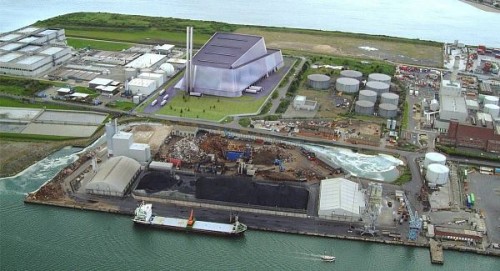
Campaigners welcome Heathrow’s plans to move incinerator

Heathrow Airport has announced plans to move an incinerator away from Stanwell and create a 15 mile ‘green ring’ around the town.

The airport said it altered its plans after residents raised concerns over its plans to relocate its incinerator to the Bedfont Road area.

A Labour county councillor however has said it is like moving pieces around a chess board.

Stanwell and Stanwell Moor councillor Robert Evans said: “I welcome very much the changes and that is due to the pressure put on BAA by me and the Labour party.

“But local resident Andrew McLuskey has done all the hard work.

“But in saying that, we are still battling away to stop expansion happening at Heathrow at all.

“There are still serious reservations and I don’t believe an expansion of the airport is right for the area or the whole country.

“We are talking semantics here – it’s a big expansion in a very cramped area. It’s like moving pieces around a chess board – whatever we don’t like around Stanwell will be just as massive somewhere else.”

Changes to the plans include introducing a 15 mile ‘green corridor’ which will increase the amount of recreational space between the town and a new car park south to the airport – which has also been reduced in size.

A new park and an all-weather sports pitch is being mooted for the area, as well as the potential building of ‘balancing ponds’ to help control the release of floodwater.

Roberto Tambini, chief executive of Spelthorne Borough Council, said: “We are delighted that Heathrow has listened to and acted upon our feedback in creating its updated expansion plans and that the residents of Spelthorne have been offered an improved deal as a result.

“I am sure that we can work together and that Heathrow will continue to listen to Spelthorne residents and demonstrate a flexible approach to future proposals.”

Some of the £16 billion of private money being invested will also be used to support the Environment Agency in developing flood prevention schemes to protect homes and property in the surrounding areas.

The airport has also announced plans to fund a new bypass to replace the existing A3044 at Colnbrook and Poyle to ease congestion issues.

John Holland-Kaye, chief executive of Heathrow said: “The expansion of Heathrow can bring significant benefits for local people as well as the UK economy.

“As well as bringing 50,000 new jobs and 10,000 apprenticeships, we can also improve the environmental landscape around the airport and mitigate some of today’s problems including road congestion and flooding. We continue to improve our plans based on the feedback we receive.”

The Airports Commission is currently assessing the case for expansion of either Heathrow or Gatwick.

Soluciones de Incineración de Residuos Médicos en África de Habla Hispana y Francófona: La Experiencia de HICLOVER

Soluciones de Incineración de Residuos Médicos en África de Habla Hispana y Francófona: La Experiencia de HICLOVER

Una Necesidad Creciente en África Occidental y Central

En países como Guinea Ecuatorial y Malí, la gestión de los residuos médicos es un desafío urgente para hospitales, clínicas y programas de salud pública. El aumento de los desechos infecciosos, plásticos con contenido de PVC y jeringas usadas requiere equipos modernos capaces de garantizar la seguridad sanitaria y cumplir con las normas ambientales internacionales.

La Ventaja de los Incineradores HICLOVER

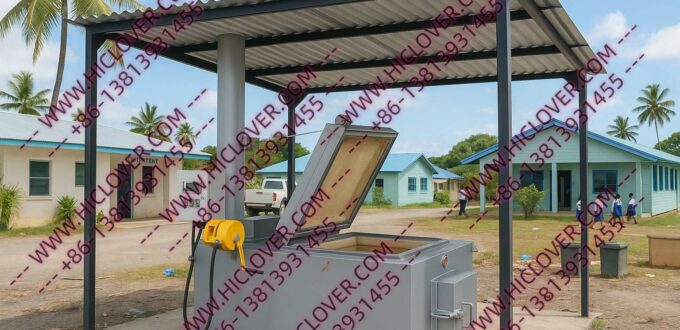
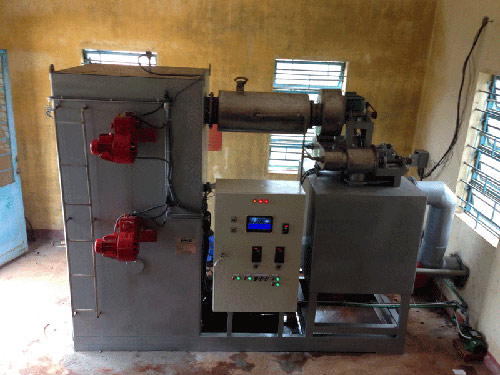
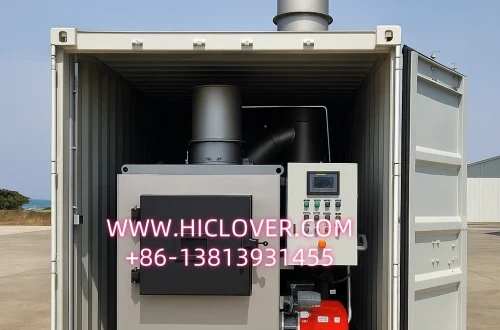
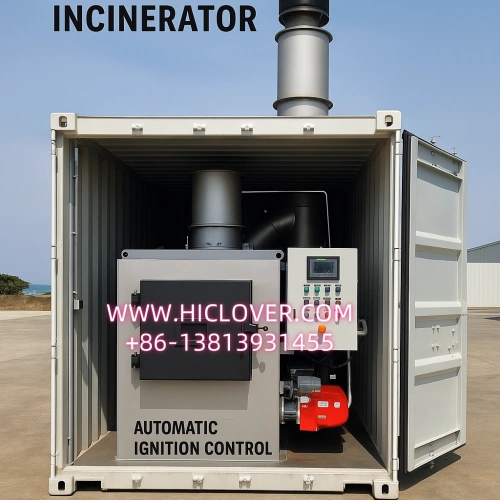
Los incineradores HICLOVER están diseñados para funcionar en entornos complejos donde la composición de los residuos es muy variable. Entre los modelos más adecuados para las necesidades regionales destacan el TS100 (100 kg/h) y el TS200 (200 kg/h), ya implementados en varios proyectos gubernamentales y hospitalarios en África de habla hispana y francófona.

Características Técnicas Principales

  • Doble cámara de combustión: primaria para la destrucción inicial, secundaria a 1100 °C con un tiempo de retención ≥ 2 segundos para reducir emisiones de dioxinas y furanos.

  • Control PLC automatizado: gestión de la temperatura, del encendido y del aire secundario, garantizando un funcionamiento seguro y eficiente.

  • Revestimiento refractario de alta calidad: resistente a ciclos térmicos intensos y con una vida útil prolongada.

  • Opciones de tratamiento de gases:

    1. Lavador húmedo (Wet Scrubber) para eliminar gases ácidos.

    2. Torre de lavado + desnebulización + adsorción de carbón activado + filtro de mangas, cumpliendo con los requisitos de financiadores internacionales (Banco Mundial, ONU, OMS).

Ejemplos de Aplicaciones Regionales

  • Guinea Ecuatorial: hospitales en Malabo y Bata requieren soluciones modernas para cumplir con los estándares internacionales de gestión de residuos.

  • Malí: clínicas en Bamako y programas de cooperación internacional buscan sistemas de incineración con tratamiento avanzado de humos.

  • Otros países africanos bilingües (francés y español): proyectos apoyados por la OMS y el PNUD favorecen sistemas móviles y en contenedor como el TS200.

Por Qué Elegir HICLOVER en África

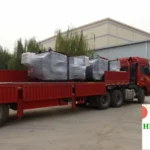
  • Adaptabilidad: disponibles en versión contenedorizada, ideales tanto para zonas rurales como para hospitales urbanos.

  • Confianza institucional: seleccionados en múltiples proyectos de ministerios de salud y defensa en África.

  • Cumplimiento internacional: emisiones conformes a normas europeas y recomendaciones de la OMS.

  • Durabilidad y eficiencia: bajo consumo de combustible, mantenimiento sencillo y piezas de repuesto disponibles.

Conclusión

La demanda de soluciones modernas de incineración de residuos médicos está aumentando rápidamente en Guinea Ecuatorial, Malí y otros países de África bilingüe. Con modelos de alto rendimiento como el HICLOVER TS100 y TS200, hospitales, centros de investigación y programas gubernamentales pueden contar con una solución fiable, robusta y conforme a las normas internacionales.

Para más información y especificaciones:
www.hiclover.com
sales@hiclover.com

Mobile: +86-13813931455(WhatsApp)

Email:     sales@hiclover.com     
Email:     hicloversales@gmail.com 


2025-09-23/14:09:55